How Does the Bank of England Work?

11 September 2026

You've probably heard the phrase "the Bank of England has changed interest rates" countless times. 


But what does that actually mean? 

Who decides whether interest rates go up or down? Why does the Bank of England change them? And how could a decision that gets made in London affect your savings, mortgage or loan? 


With the Bank of England's next interest rate decision coming up on 17th September 2026, here's everything you need to know, without the financial jargon. 


First, what is the Bank of England? 

The Bank of England is the UK's central bank, but it's different from the banks you might use for your current account or credit card. 


Its job is to help keep the UK's financial system stable and keep inflation under control. 


One of its most important jobs is setting the Bank Rate, the interest rate that influences many other interest rates across the economy. 


What is 'Bank Rate'? 

Bank Rate is the interest rate set by the Bank of England. 


It's important because it influences the interest rates that banks and other financial institutions charge on borrowing and pay on savings. 


Think of it as an important starting point for interest rates across the UK. 


When Bank Rate changes, your bank might adjust savings or borrowing rates too, although not necessarily by the same amount or straight away. 


If Bank Rate goes up: Borrowing can become more expensive, while saving may become more attractive. 


If Bank Rate stays the same: There is no change to Bank Rate itself. 


If Bank Rate goes down: Borrowing can become cheaper, while savings rates may fall. 


Who decides Bank Rate? 

The decision is made by the Monetary Policy Committee (MPC). 


It's made up of nine people, who look at what's happening across the UK economy before voting on what should happen to interest rates. 


The MPC meets eight times a year, roughly every six weeks. 


At each meeting, they consider things such as: 

  • Are prices rising too quickly? 
  • Are wages increasing? 
  • Are people spending more or less? 
  • Is the economy growing? 
  • What might happen to the economy next? 


They then vote to increase, decrease, or keep Bank Rate the same. 


Why does the Bank change interest rates? 

The main goal is to keep inflation close to the government's target of 2%


If inflation is too high, higher interest rates can help slow spending and borrowing, which can reduce pressure on prices. 


If inflation is under control and the economy needs support, lower rates can encourage people and businesses to borrow and spend. 


It's a balancing act. 


The Bank can't control the price of your weekly shop directly. Instead, it uses interest rates to influence spending and borrowing across the wider economy. 


What does this mean for you? 

This is where the Bank of England's decisions can start to feel a little more relevant. 


If you have savings 


Changes to Bank Rate can influence the interest rates available on savings and may also have an indirect impact on dividend rates offered by credit unions. 


When rates rise, savings rates may increase. 

When rates fall, savings rates may decrease. 


Credit union dividends work differently. They are based on the credit union's financial performance and are not automatically linked to Bank Rate. 


It's worth checking what your savings are earning, particularly when interest rates change. 


If you have a loan 


Changes to interest rates can affect the cost of borrowing. 


However, your loan rate isn't automatically the same as Bank Rate. What you pay depends on your lender, product, and individual circumstances. 


If you have a mortgage 


Changes to Bank Rate can affect some mortgage rates, particularly variable and tracker mortgages. 


Fixed-rate mortgages aren't directly changed when Bank Rate moves, although future mortgage rates can be influenced by wider market conditions. 


When Is the Next Bank Rate Announcement? 

The Bank of England's next Bank Rate announcement is due on Thursday 17th September 2026. 


The current Bank Rate is 3.75%, following the Bank's July decision to keep it unchanged. 


No one knows the outcome until the MPC announces it, so keep an eye on the news and check your interest rates afterwards to see whether you're affected. 

11 September 2026
We all know that saving money is a good idea.  The tricky part is finding something left over at the end of the month to actually save.
11 September 2026
It can feel like you have to choose: save money or pay off your debt...
11 September 2026
When money is tight, saving for the future can feel like something to think about later...
9 June 2026
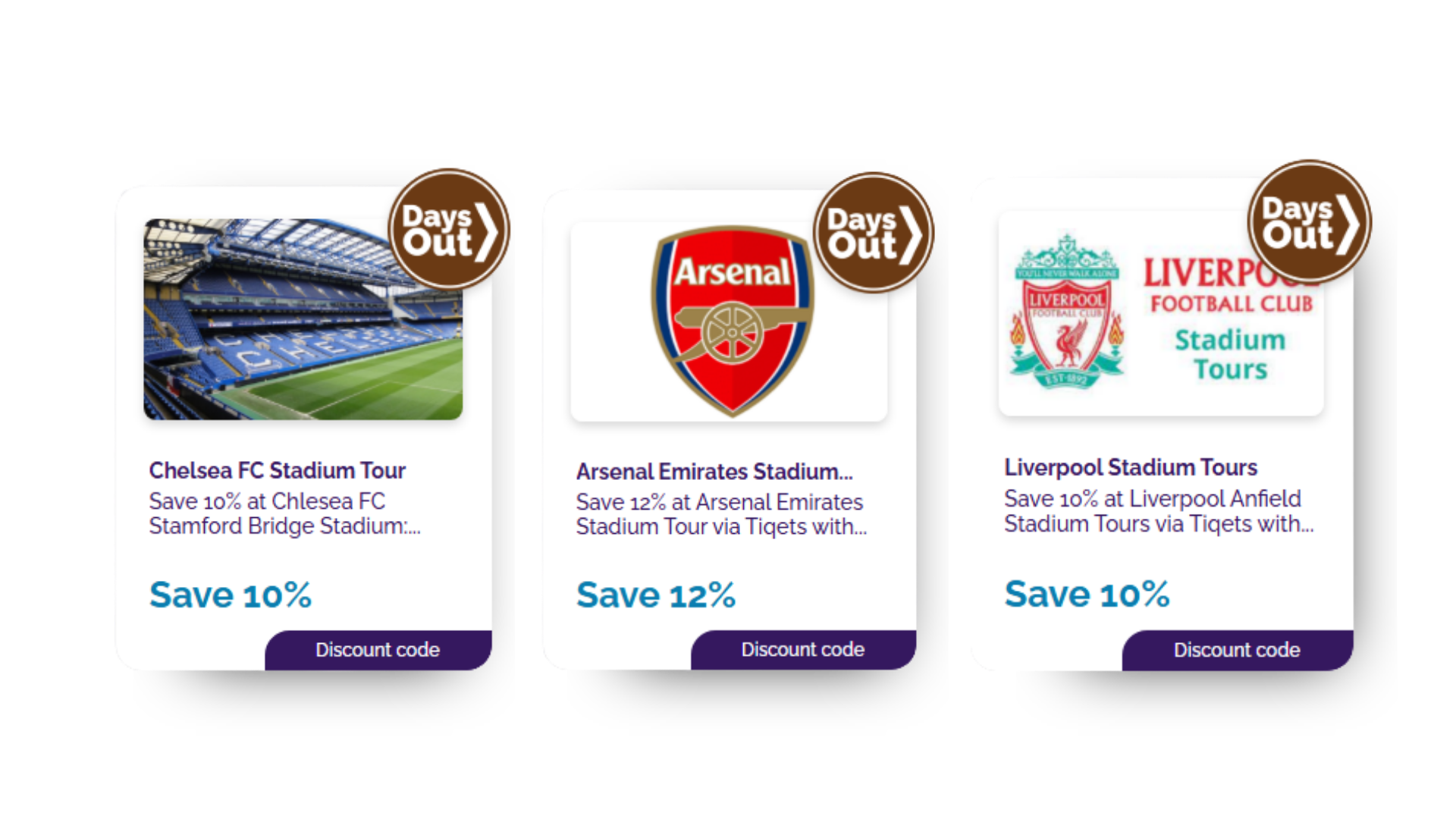
Father’s Day is coming up, and if you are still deciding what to get, our member discount platform through Vivup has a range of offers that can help you save on gifts, days out and experiences Here is a quick overview of what is available to First Defence Finance members: Concerts and experiences
24 April 2026
Planning a trip this year? Credit unions are often a go-to for saving or borrowing for a holiday. But with Plane Saver, there’s an extra benefit. Members can also access a range of travel discounts through our partnership with Vivup, helping you cut the cost of your trip. From hotel and airport parking, to activities and full holiday packages, here are the best deals to make the most of these member benefits, including: 65% off Hotels worldwide 32% off airport parking 20% off travel insurance 10% off popular attractions across Europe Up-to £300 off future trips Hotels & Accommodation: Save up to 65% worldwide with Hotel Planner
4 March 2026
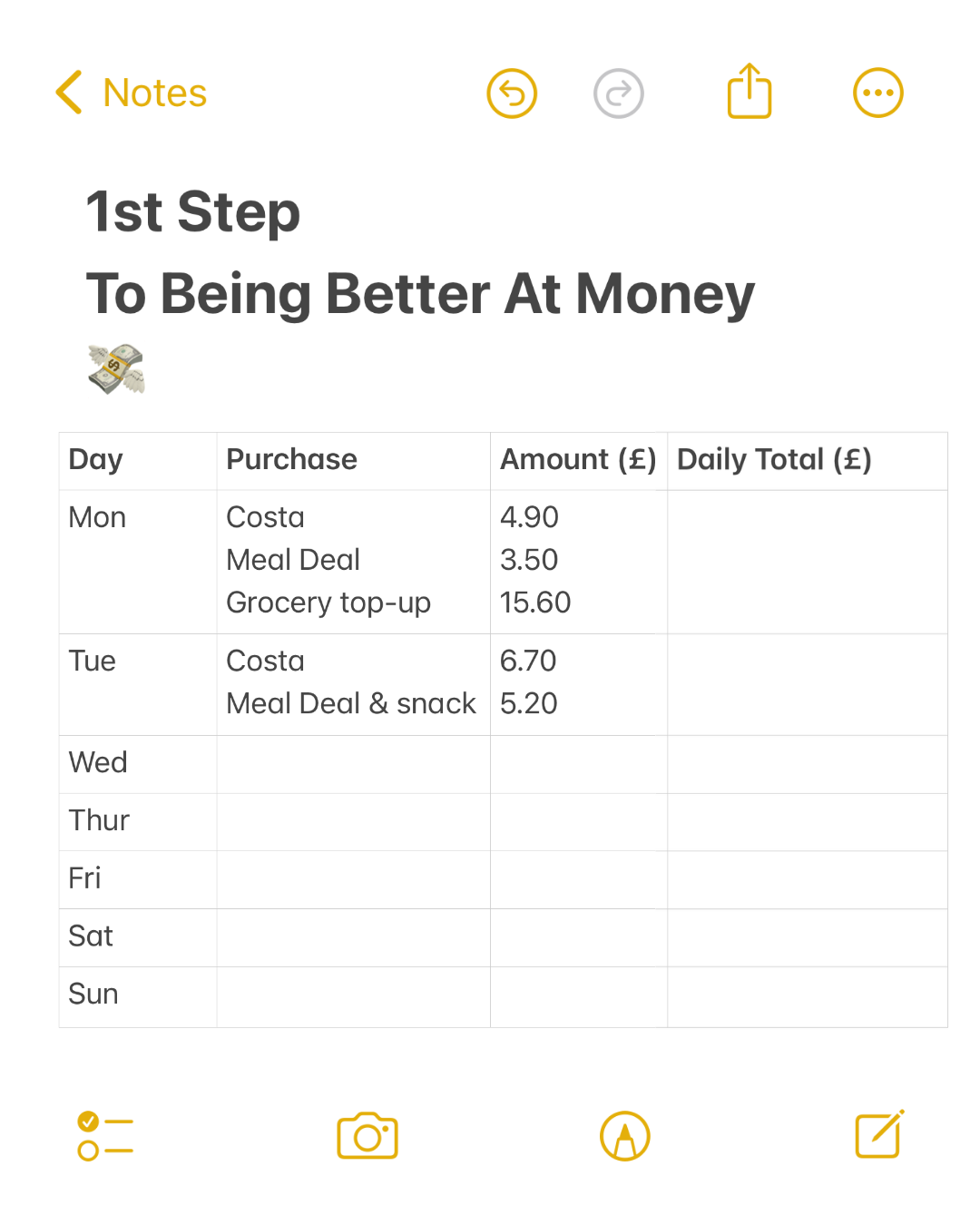
Spring is not just for cleaning your home: it is the perfect time to refresh your finances. A spring reset gives you the chance to take stock, clear out financial clutter, and build habits that make money feel less stressful. Instead of trying to overhaul everything at once, this plan uses small, science-backed changes that build lasting habits over time. Inspired by James Clear’s Atomic Habits, it focuses on realistic, manageable steps so your financial reset actually sticks. Why it works: habit science shows that small, consistent changes are more likely to last than drastic overhauls. Each week builds on the last, so by the end of five weeks, you will feel more confident, organised, and in control of your money. Week 1: Track What You Spend Before you can make changes, you need to understand your habits. Tracking spending gives you a clear picture of where your money goes. You also can’t improve what you can’t see. Do not overthink it: just start capturing every purchase. Action Steps: Use the table below to record all spending this week. Copy it into Word, Notes, or grab a pen and paper. 
10 February 2026
Winter has a way of putting extra pressure on household budgets. Higher household bills, everyday costs creeping up, and the knock-on effect of Christmas spending can leave many people feeling behind before the year has even started. If that sounds familiar, you’re not alone. And at First Defence Finance, support is not just about savings and loans. It’s about helping you feel more in control of your money, whatever stage you’re at. First Defence Finance is more than a place to save or borrow. We also offer practical tools, trusted guidance, and everyday support that many members do not realise they already have access to. Here’s how we support members beyond the basics. Check You’re Not Missing Out on Financial Support Every year, billions of pounds in benefits go unclaimed across the UK. Often not because people are not entitled, but because they do not realise support exists or assume they would not qualify. Our Benefits Calculator , powered by InBest, helps you quickly check what support you could be entitled to. It is free, confidential, and takes just a few minutes to use. Many members are surprised by what they find. Visit www.firstdefencefinance.co.uk/support A Budget That Actually Works in Real Life People who regularly track their spending are far more likely to feel confident about their money and build savings over time. But budgeting only works if it feels realistic. Our partner company Plane Saver Credit Union offer two options: An online budget planner , powered by MoneyHelper A printable Plane Saver budget planner , designed by our team for simple, everyday use Whether you like digital tools or pen and paper, the aim is the same. To help you see where your money goes and make small changes that add up. Visit www.planesavercu.co.uk/budget-planner Trusted Support, Matched to Your Situation Sometimes you need more than a calculator or a planner. You need advice from someone who understands your situation. Our Help and Support page brings together trusted organisations offering free, expert guidance across a wide range of topics. From debt and divorce to housing, energy costs, gambling support, and mental wellbeing, you can filter by what you are dealing with and avoid generic advice that does not apply to you. This means you are guided straight to the right experts, at the right time, for the support you actually need. Visit www.firstdefencefinance.co.uk/support Making Spending Easier to Control with Discounts First Defence Finance members have access to a dedicated lifestyle discount platform with over 800 offers across supermarkets, food, travel, retail and everyday essentials. These discounts are not just about getting money off. They can also help you plan spending and avoid the habits that quietly drain your budget. One of the most effective tools is reloadable supermarket cards . You choose a supermarket, decide how much you want to spend on food for the week or month, and load that amount onto a reloadable card. This works with major supermarkets such as Tesco, Sainsbury’s, Asda, M&S, Waitrose, Iceland and others. Once the balance is used, that is your food budget spent. It encourages planning, reduces impulse top-ups at more expensive convenience stores, and helps you stick to what you have set. The same approach works for everyday habits too. If the costs of your takeaway coffees add up, members can use discounted Costa or Caffe Nero cards. If food delivery is a weak spot, discounts are also available for Deliveroo, Uber Eats, and Just Eat. It is almost like having separate spending pots for different parts of your life, helping you stay in control without feeling restricted. Members can register and explore all available discounts here: www.firstdefencefinance.co.uk/memberbenefits Fair, Affordable Borrowing When You Need It If you do need to borrow, First Defence Finance offers loans with no hidden fees, no early repayment charges, and interest calculated on the reducing balance. We also encourage members to save alongside repayments where possible. That way, when the loan ends, you are left with a pot of money rather than starting from scratch. A Credit Union That Supports the Whole Picture First Defence Finance is here for the long term. Not just when things go wrong, and not just when you need a loan. Whether you save through payroll, pay by direct debit, or simply want better control of your money, everything we offer is designed to support your financial wellbeing. You do not have to use everything at once. Even one small step can make a difference. And if you are unsure where to start, our team is always happy to help point you in the right direction.
21 January 2026
In today's fast-paced world, sound financial planning is essential for securing a stable future.
Junior Savings
22 September 2025
All any 18-year-old really cares about is their future...
Settlement Figures
2 October 2024
How to Request Settlement Figures