How to Start Saving When You Can't Afford To
28 October 2026
Everyone has a different reason why they struggle to save money.
You might have bills to cover, family costs to think about, or a busy working life that makes it difficult to plan ahead. For serving personnel, veterans and military families, changes in circumstances can also make it harder to keep your finances predictable.
But you don't need to save a large amount to get started.
In this article, we'll look at some common savings challenges and simple ways to start building a habit, even when money feels tight.

The body content of your post goes here. To edit this text, click on it and delete this default text and start typing your own or paste your own from a different source.
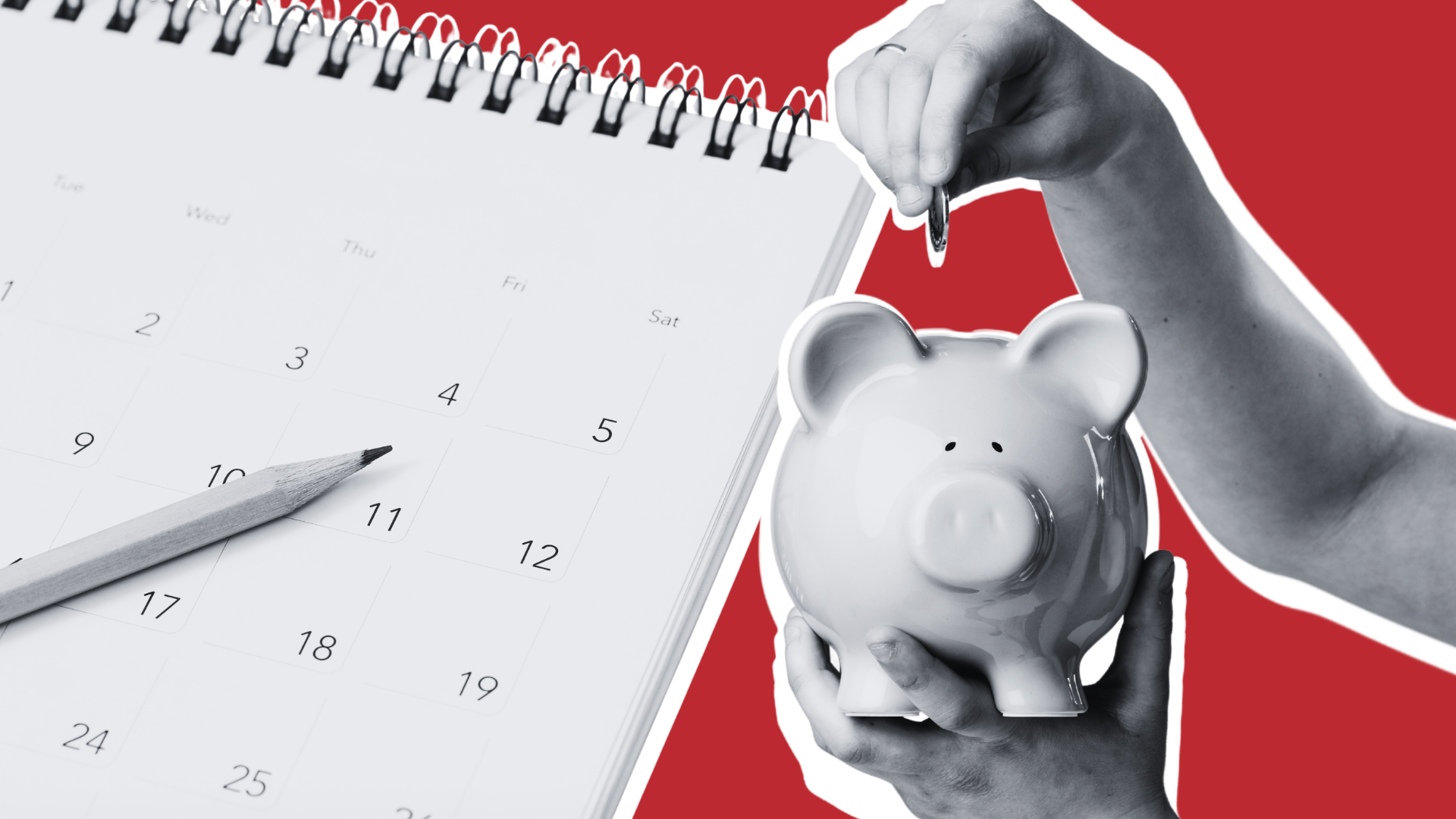
Starting to save is one thing. Keeping it going every month is another. You might save £50 one month, forget the next, then find yourself dipping into it when an unexpected expense comes along. The trick isn't necessarily finding more money to save. It's building a savings habit that fits into your everyday life and is easy to keep going. Whether you're serving, have left the Armed Forces, or are part of a military family, your financial circumstances can change over time. A savings routine that works for you now should be flexible enough to adapt when life does. We've put together some simple ways to make saving feel less like another job on your to-do list.

You've looked at Auto Trader. You've found a car that suits your needs. The problem is that you don't have the money to pay for it upfront. If you need a car for commuting, family life or getting between home and base, waiting until you've saved the full amount might not feel practical. Borrowing could help you spread the cost, but it's important to understand how the different options work before committing. In this guide, we'll walk through the main ways to finance a car, what to compare, and how to make a more informed decision.

Credit unions have been around for generations, but they're still a bit of a mystery to many people. How did credit unions start? How are they different from banks? Who can join one? And what do they actually do with your money? Here's a simple guide to how credit unions work, why people join them and how they support the Armed Forces community.

We all know that saving money is a good idea. The tricky part is finding something left over at the end of the month to actually save.

You've probably heard the phrase "the Bank of England has changed interest rates" countless times. But what does that actually mean?

It can feel like you have to choose: save money or pay off your debt...

When money is tight, saving for the future can feel like something to think about later...
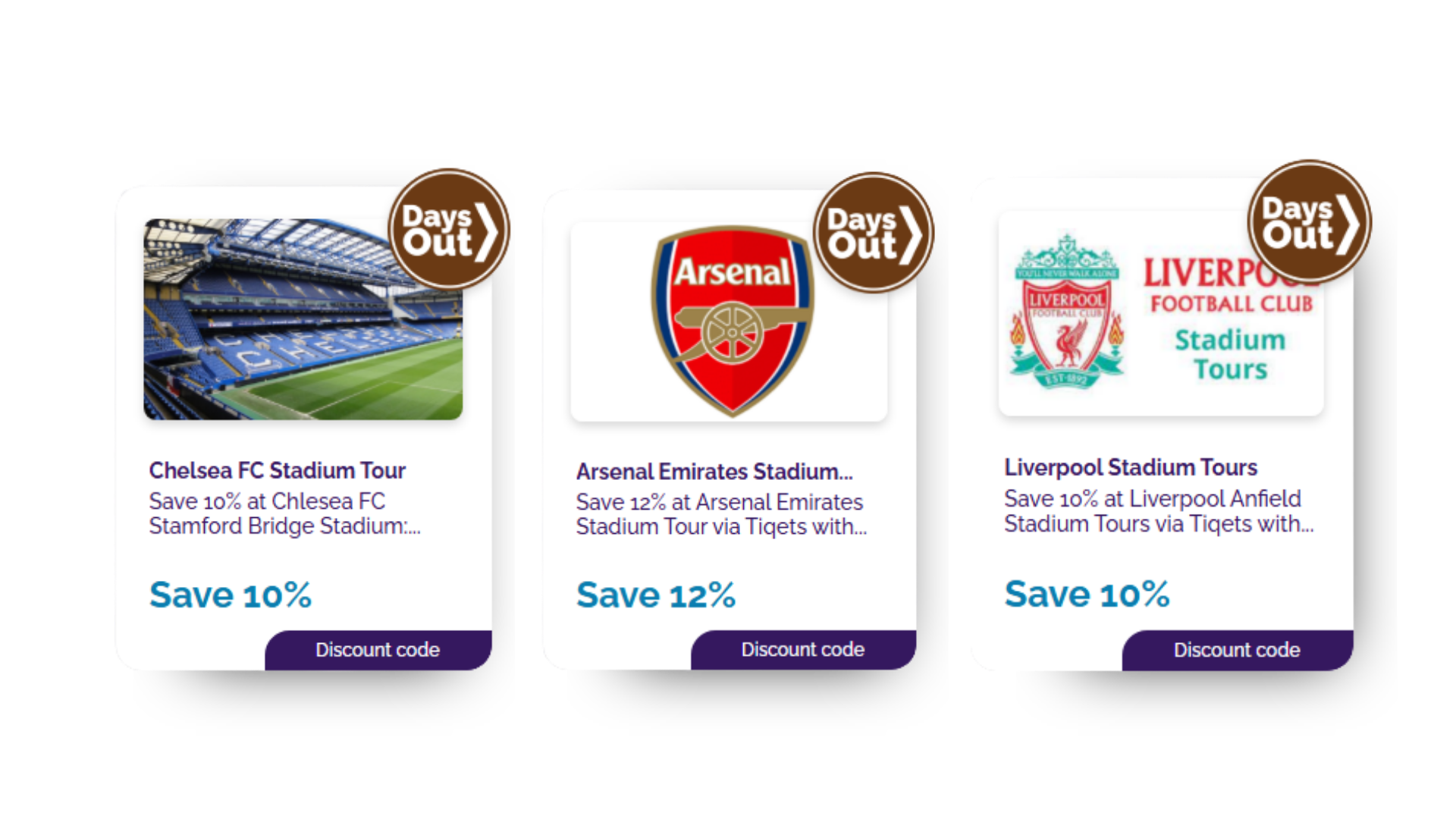
Father’s Day is coming up, and if you are still deciding what to get, our member discount platform through Vivup has a range of offers that can help you save on gifts, days out and experiences Here is a quick overview of what is available to First Defence Finance members: Concerts and experiences

Planning a trip this year? Credit unions are often a go-to for saving or borrowing for a holiday. But with Plane Saver, there’s an extra benefit. Members can also access a range of travel discounts through our partnership with Vivup, helping you cut the cost of your trip. From hotel and airport parking, to activities and full holiday packages, here are the best deals to make the most of these member benefits, including: 65% off Hotels worldwide 32% off airport parking 20% off travel insurance 10% off popular attractions across Europe Up-to £300 off future trips Hotels & Accommodation: Save up to 65% worldwide with Hotel Planner
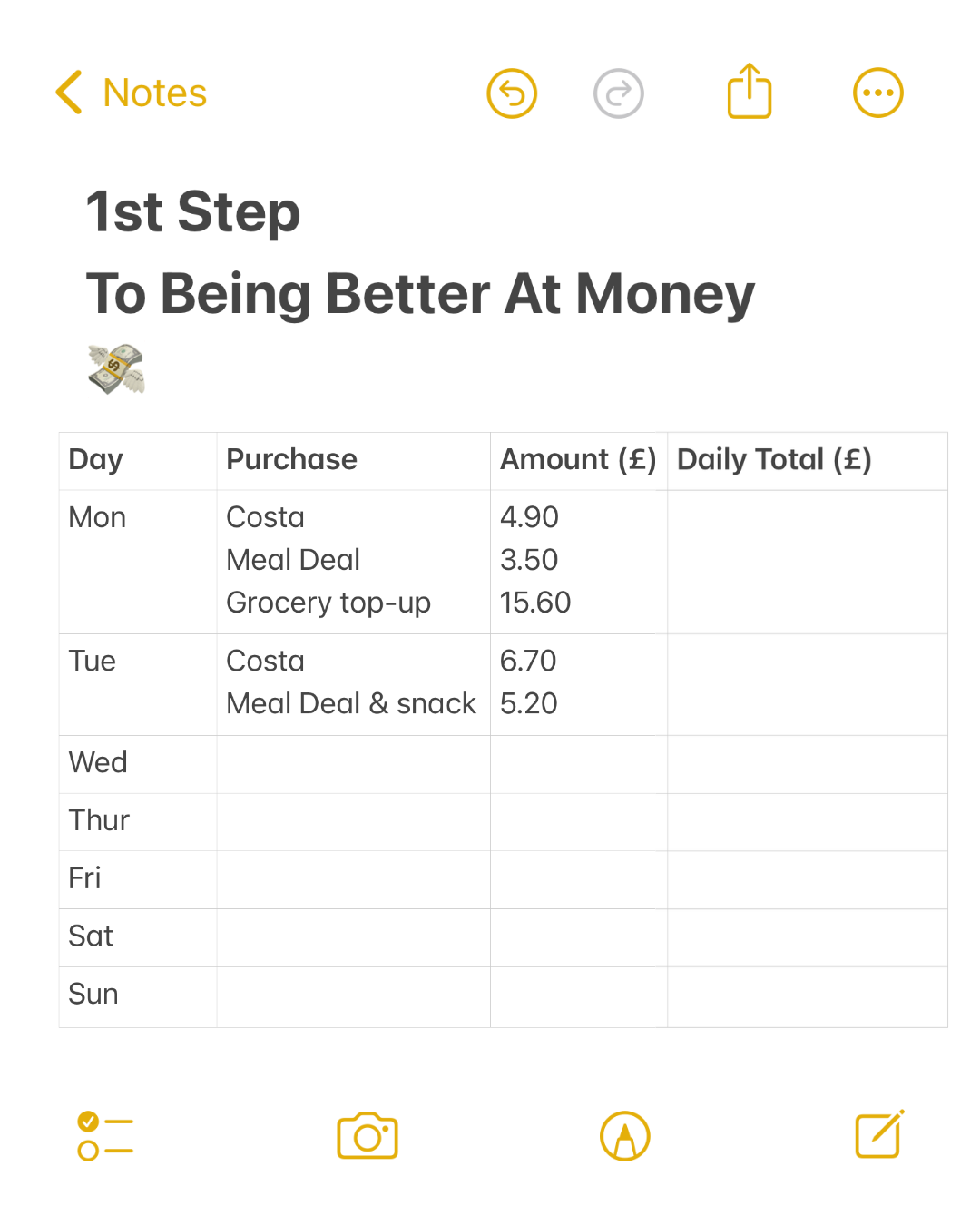
Spring is not just for cleaning your home: it is the perfect time to refresh your finances. A spring reset gives you the chance to take stock, clear out financial clutter, and build habits that make money feel less stressful. Instead of trying to overhaul everything at once, this plan uses small, science-backed changes that build lasting habits over time. Inspired by James Clear’s Atomic Habits, it focuses on realistic, manageable steps so your financial reset actually sticks. Why it works: habit science shows that small, consistent changes are more likely to last than drastic overhauls. Each week builds on the last, so by the end of five weeks, you will feel more confident, organised, and in control of your money. Week 1: Track What You Spend Before you can make changes, you need to understand your habits. Tracking spending gives you a clear picture of where your money goes. You also can’t improve what you can’t see. Do not overthink it: just start capturing every purchase. Action Steps: Use the table below to record all spending this week. Copy it into Word, Notes, or grab a pen and paper.