Struggling to save? Here’s How to Build a Savings Habit That Actually Sticks
Starting to save is one thing.
Keeping it going every month is another.
You might save £50 one month, forget the next, then find yourself dipping into it when an unexpected expense comes along.
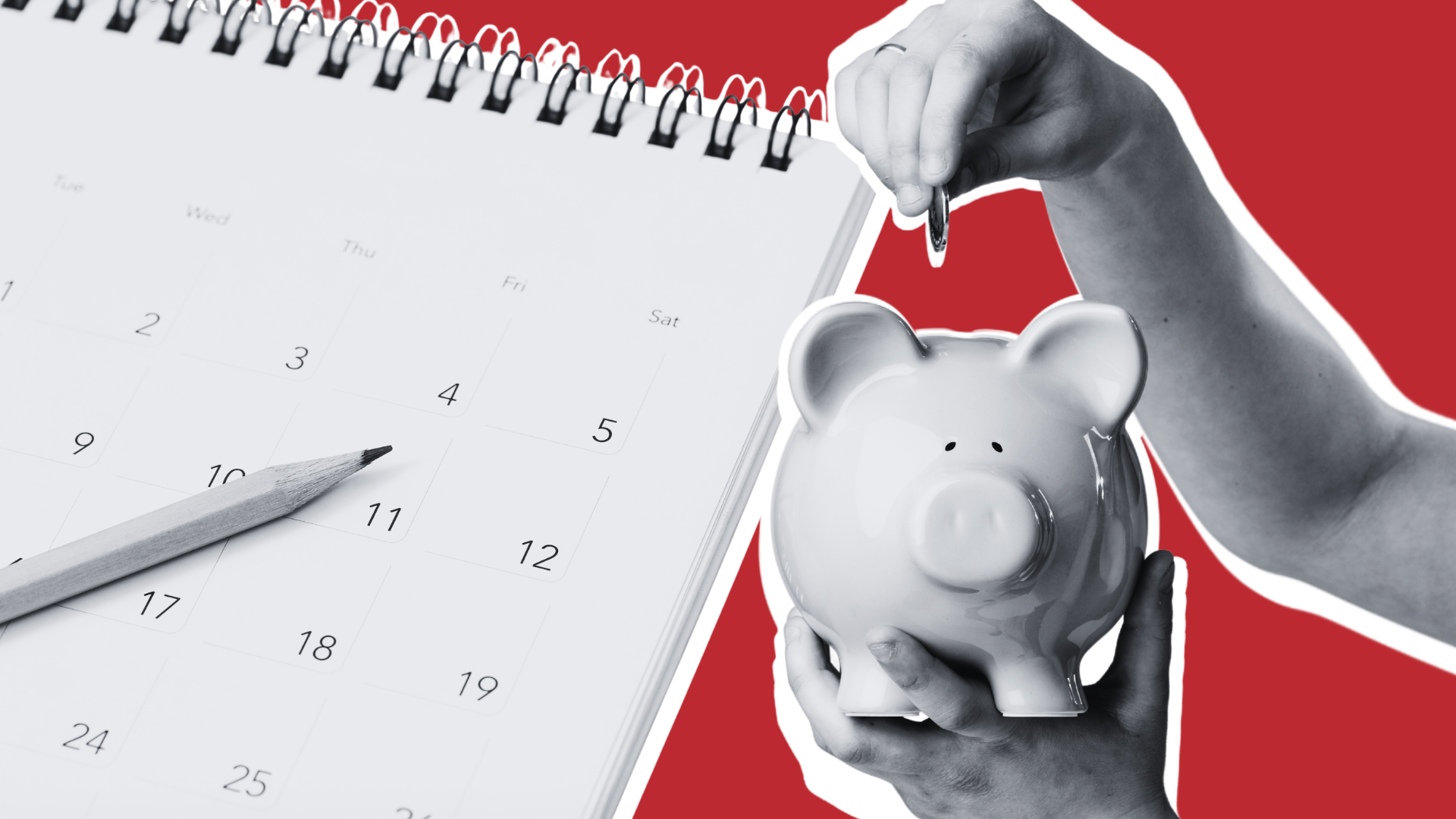
The trick isn't necessarily finding more money to save. It's building a savings habit that fits into your everyday life and is easy to keep going.
Whether you're serving, have left the Armed Forces, or are part of a military family, your financial circumstances can change over time. A savings routine that works for you now should be flexible enough to adapt when life does.
We've put together some simple ways to make saving feel less like another job on your to-do list.
What do you need help with?
- I keep forgetting to save
- I start saving but keep dipping into it
- I don't know how much to save
- I can't save the same amount every month
- I've built a habit. How do I save more?
I keep forgetting to save
If you have to remember to move money into your savings every month, there's a good chance it will sometimes get forgotten.
Make saving automatic instead.
Research from the Money and Pensions Service (MaPS) has found that 46% of people do not save regularly. Saving what you can as regularly as possible helps in times of need, giving you greater financial security.
Set up a regular payment so your chosen amount moves into your savings around payday. That way, you don't have to make the decision every month.
Choose your amount. Set it up. Let it happen.
If you're serving personnel, veteran, or family of the Armed Forces, you can save directly from your MOD salary or set up regular savings by Direct Debit with a military credit union like First Defence Finance.
Find out more about saving with First Defence Finance on our website.
I start saving but keep dipping into it
It can be frustrating to see your savings grow, only to transfer the money back out again when you need it for everyday spending.
One simple way to make this easier is to keep your savings separate from the account you use for day-to-day spending.
Having your savings in a separate account reduces temptation to dip in for something you shouldn’t. It means you can see what you've set aside without having it sitting alongside the money you use for bills, shopping and other everyday expenses.
You could take this a step further by giving your savings a name and a purpose. If your savings provider lets you name your accounts or create separate savings pots, you could have separate goals for things like:
- Emergency fund
- Holiday
- Christmas
- Car
- Home improvements
Having a clear goal can make it easier to keep your savings on track. MoneyHelper recommends setting a specific savings goal, and naming your savings can help you remember what you're putting the money aside for.
The aim is to make your savings feel like money you've already given a job to, rather than money that's available to spend.
I don't know how much to save
You don't need to start with a big amount.
The best savings habit is one you can actually maintain.
Look at your budget and choose an amount that feels realistic. That could be £5, £10, £25 or more each month.
If you're not sure what you can afford, the MoneyHelper Budget Planner can help you work through your income and regular spending.
Remember, you're building a habit, not trying to win a savings competition.
£10 every month is better than £100 once and then nothing for the next six months.
And if your circumstances change, you can change the amount you're saving too.
I can't save the same amount every month
Life doesn't always fit neatly into a monthly budget.
You might have a more expensive month because of a holiday, Christmas, school costs or an unexpected bill. For serving personnel and military families, a change in circumstances or an upcoming move could also mean your usual budget needs adjusting.
That doesn't mean you've failed at saving.
If you need to reduce your savings for a month, do it. If you can't save anything one month, start again when you can.
Missing one month doesn't mean you have to give up the habit.
You could also set a smaller regular amount that you know you can usually manage, then add more when you have extra money available.
For example, you might save £10 instead of £50 automatically each month and make an additional payment when you receive a bonus, work overtime or finish paying for something else.
I've built a habit. How do I save more?
Once saving has become part of your routine, increasing the amount doesn't have to feel like a big change.
Try adding £5 or £10 a month.
An extra £5 gives you another £60 a year.
An extra £10 gives you another £120 a year.
You could increase your savings after a pay rise, when a regular expense ends or whenever you find a little more room in your budget.
Small increases can add up over time.
Depending on the savings account you use, your money may also earn interest or a dividend, helping your balance grow further. The amount and whether a return is paid depend on the account's terms.
Make saving part of your routine
A good savings habit doesn't need to be complicated.
Try these five steps:
1. Choose an amount you can maintain.
Start with what your budget allows.
2. Give your savings a purpose.
Knowing what you're saving for can make it easier to stay motivated.
3. Automate your savings.
Set up a regular payment around payday so you don't have to remember.
4. Keep your savings separate.
A dedicated savings account can make it easier to leave the money alone.
5. Increase it when you can.
Even an extra £5 or £10 a month can make a difference over time.
Make saving easy with salary savings
You don't need to have lots of spare money to build a savings habit.
You just need an amount you can realistically put aside and a system that makes it easier to keep going.
First Defence Finance makes it easy for serving personnel and veterans to save automatically every month.
You choose how much you want to save, and FDF will put a piece of your salary aside via payroll. For veterans, they help you set up a monthly direct debit. You can access your savings at anytime via their app or online.
Ready to make saving a habit?
Explore savings with First Defence Finance →
Check the eligibility requirements and account terms to find an option that suits your needs.