How Do Your Member Discounts Work?

26 November 2026

Did you know you could save money on your weekly shop, clothes, days out and more, just by being a Plane Saver member?

Our member discounts platform gives you access to offers from a range of retailers. Some discounts can even be combined with other promotions, helping you save more.


There are three main types of discounts available. Here's how each one works and how to start using them.


1. Discount codes

Best for: online shopping
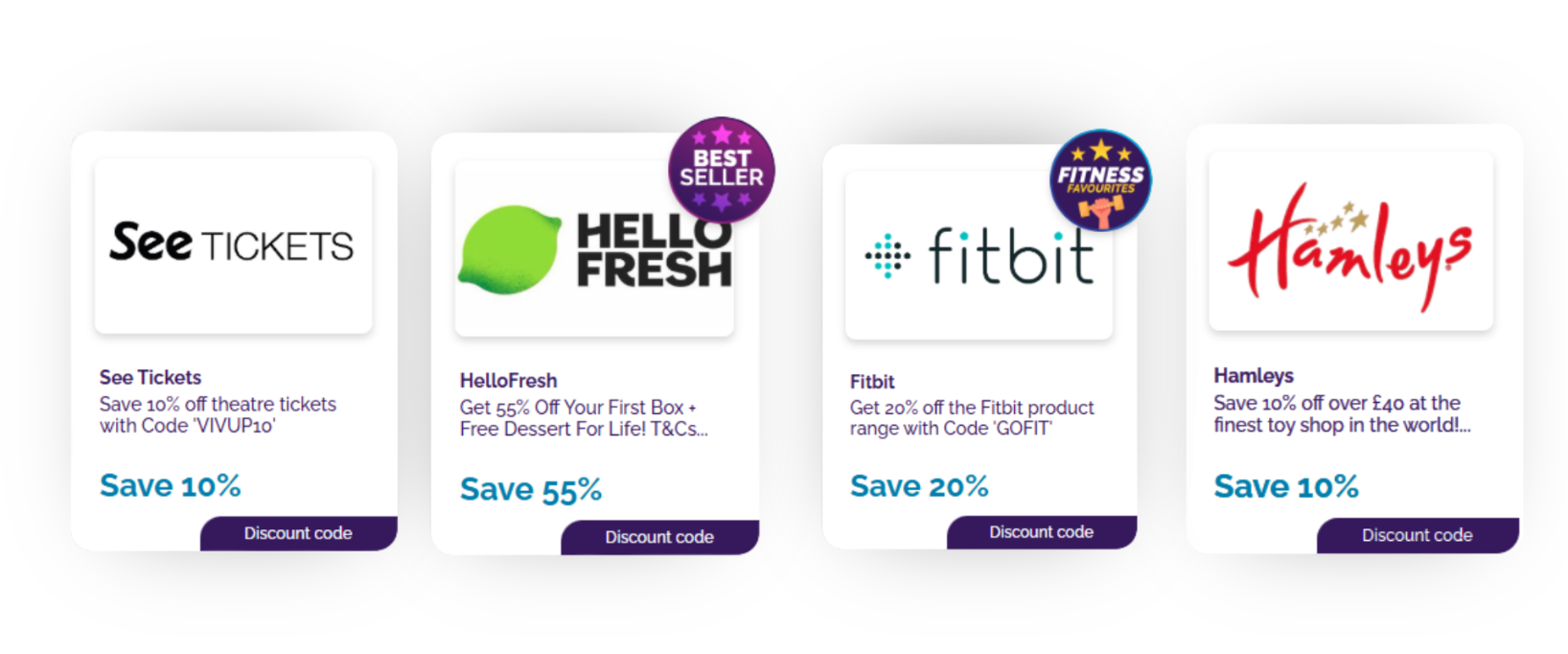
Some offers, like SeeTickets, Hamleys, or HelloFresh, give you a discount code to use when you shop online.


Here's how:

  1. Find an offer on the Plane Saver discounts platform.
  2. Get your discount code.
  3. Shop on the retailer's website and enter the code at checkout.
  4. Your discount will be applied if your purchase meets the offer's terms.


It's that simple. Just check the offer details for any exclusions, minimum spend or expiry dates before you buy.


2. E-cards and reloadable cards

Best for: everyday spending, shopping in-store and online
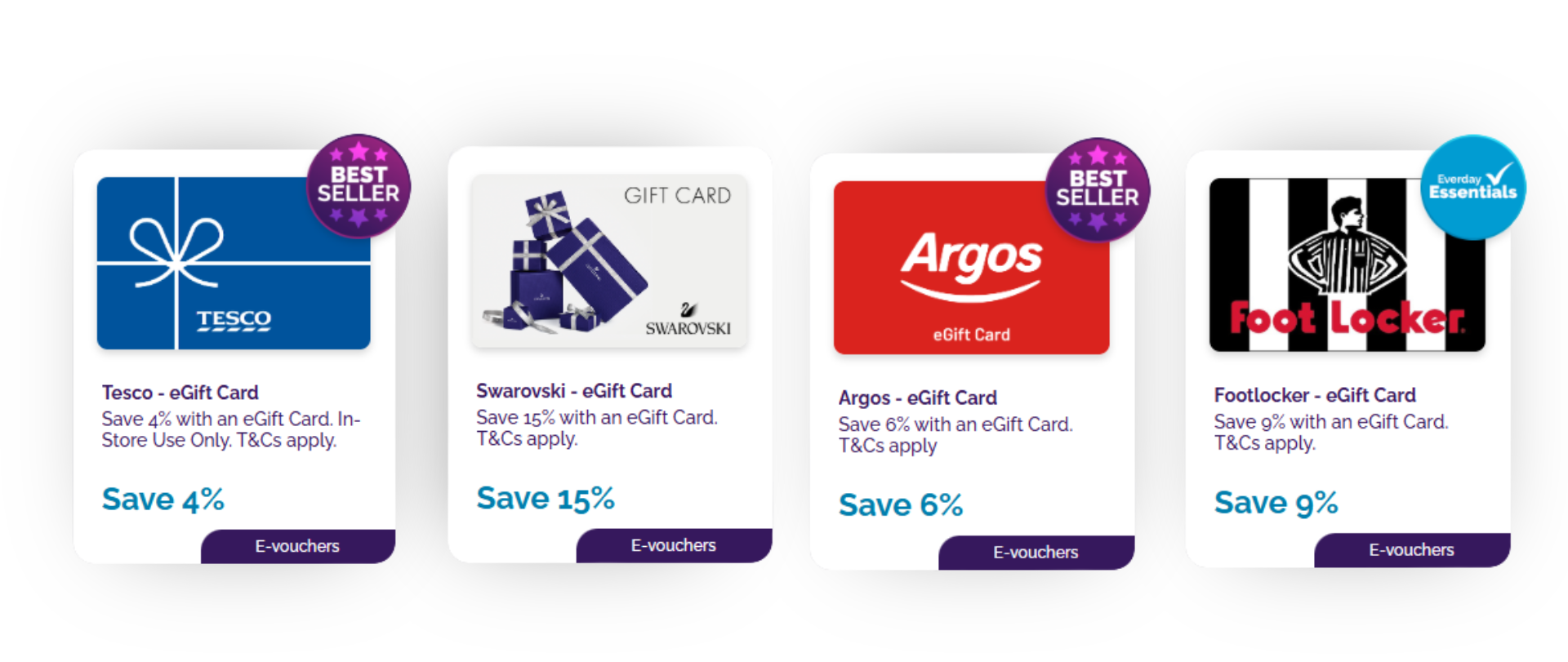
E-cards let you buy a retailer gift card at a discounted price, then spend the balance as you normally would.

For example, if you want to spend £100 in Swarovski for a Christmas Gift, with the 15% discount you would pay just £85 for a £100 e-card.

You can then use the card to pay for your shopping, either online or in-store, depending on the retailer.


Here's how it works:

  1. Choose a retailer on the discounts platform.
  2. Select the amount you want to spend.
  3. Buy the e-card at the discounted price.
  4. Use it to pay for your purchase.
  5. Top it up again when the balance runs low, if the retailer supports reloading.

You may be able to choose between a physical card and a barcode or digital card on your phone.


Can you use e-cards with other discounts?

Sometimes, yes. Depending on the retailer's terms, you may be able to use your discounted e-card alongside a sale or another promotion. This can mean extra savings on purchases you were already planning to make.

For example, you could save with Tesco Clubcard offers, then pay with your discounted e-card to save even more. 

Always check the retailer's conditions, as some offers cannot be combined.


3. Exclusive offers 

Best for: special prices and sign-up deals
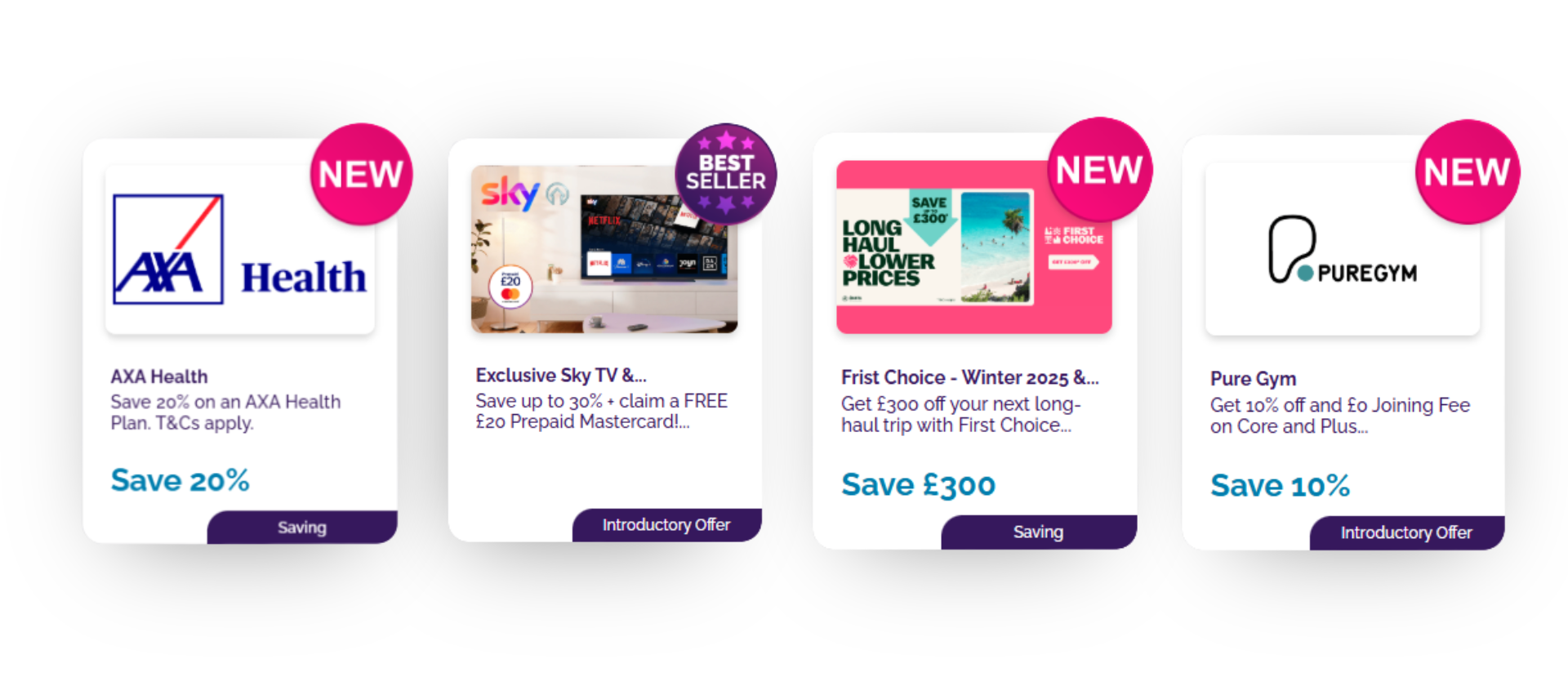
Some retailers offer exclusive prices or promotions through the Plane Saver discounts platform.

Instead of giving you a code or e-card, the offer takes you directly to a special page on the retailer's website.


To use one:

  1. Find an exclusive offer on the platform.
  2. Click the link provided.
  3. Follow the instructions on the retailer's page to access the deal.


You might find special prices, introductory offers, or deals that aren't available through the retailer's usual website.

Check the offer details before signing up or making a purchase, particularly if a deal involves a subscription or ongoing payment.


How to access your discounts

Ready to start saving? Sign up for First Defence Finance's discount platform – powered by VIVUP.
26 November 2026
Managing several debts can make it difficult to keep track of what you owe, who you owe it to and when payments are due. A debt consolidation loan could bring those debts together, giving you one new loan to manage instead of several separate borrowing arrangements. But before you apply, it's worth understanding exactly how debt consolidation works, what happens to your existing debts and whether it suits your circumstances.
26 November 2026
Buying a car is a big expense, and unless you have the money saved to pay for it outright, borrowing could help you spread the cost. But car finance isn't one-size-fits-all. The type of borrowing you choose can affect your monthly payments, how much you pay overall, and whether you'll own the car at the end of the agreement. The trick is to look beyond the monthly payment and understand what each option means for you. In this guide, we'll explain the main ways to finance your car purchase, the costs that are worth comparing, and some of the details that are easy to overlook when you're choosing a finance deal. Which type of car finance suits you? Not all car finance works in the same way. Some options let you own the car from the outset, while others mean you'll only own it after making all the required payments. Understanding the difference can help you narrow down your options before comparing specific deals. Personal loan: borrow to buy the car A personal loan lets you borrow a set amount and repay it in instalments over an agreed period. If you use a personal loan to buy a car, you can usually pay the seller outright and own the vehicle from the start. Your loan repayments remain separate from the car itself. This can be worth considering if you want to own your car and prefer a straightforward repayment plan. What to compare: The APR and total amount repayable. The length of the loan and monthly repayment. Whether there are fees or charges for repaying early. If you're considering a personal loan to fund your next car, F irst Defence Finance offers car loans up to £35,000 for its members. It won’t get you a Ferrari, but it should get you a reliable car. Hire purchase (HP): pay towards owning the car With hire purchase, you usually pay a deposit followed by monthly instalments. You generally become the owner once you've made all the required payments and paid any final fee set out in the agreement. HP can suit people who want to spread the cost and keep the car once the finance is paid off. What to compare: The deposit and monthly payments. The total cost over the full agreement. Any final fee and what happens if you fall behind on payments. Personal contract purchase (PCP): more choice at the end With personal contract purchase, your monthly payments are generally based on the car's price, its estimated value at the end of the agreement, interest, and other costs. This can mean lower monthly payments than some other finance options, but there's usually a larger optional final payment if you want to own the car. At the end, you can typically pay the final amount to keep the car, return it subject to the agreement's conditions, or explore part-exchange options. What to compare: The deposit, monthly payments and total cost. The final payment if you want to own the car. Mileage limits and possible charges for damage or excess mileage. The monthly payment isn't the whole story A lower monthly payment can look appealing, particularly when you're trying to keep your budget manageable. But it doesn't always mean you're getting a cheaper deal. The length of the agreement, interest rate, fees, and any final payment can all affect how much you pay overall. Before choosing a deal, compare the total amount repayable, not just the monthly figure. This helps you see the bigger picture and understand what the borrowing will cost over time. Ready to explore your car finance options? Choosing how to pay for a car is just as important as choosing the car itself. Comparing your options, understanding the total cost and finding repayments that fit your budget can help you move forward with confidence. If you're looking to buy a car with a personal loan, Plane Saver Credit Union could be an option to consider. Explore First Defence Finance car loans to see whether one could work for you.
26 November 2026
To help members plan ahead, we've outlined our Christmas and New Year opening hours along with important withdrawal and loan application deadlines.
28 October 2026
Starting to save is one thing. Keeping it going every month is another. You might save £50 one month, forget the next, then find yourself dipping into it when an unexpected expense comes along. The trick isn't necessarily finding more money to save. It's building a savings habit that fits into your everyday life and is easy to keep going. Whether you're serving, have left the Armed Forces, or are part of a military family, your financial circumstances can change over time. A savings routine that works for you now should be flexible enough to adapt when life does. We've put together some simple ways to make saving feel less like another job on your to-do list.
28 October 2026
You've looked at Auto Trader. You've found a car that suits your needs. The problem is that you don't have the money to pay for it upfront. If you need a car for commuting, family life or getting between home and base, waiting until you've saved the full amount might not feel practical. Borrowing could help you spread the cost, but it's important to understand how the different options work before committing. In this guide, we'll walk through the main ways to finance a car, what to compare, and how to make a more informed decision.
28 October 2026
Everyone has a different reason why they struggle to save money. You might have bills to cover, family costs to think about, or a busy working life that makes it difficult to plan ahead. For serving personnel, veterans and military families, changes in circumstances can also make it harder to keep your finances predictable. But you don't need to save a large amount to get started. In this article, we'll look at some common savings challenges and simple ways to start building a habit, even when money feels tight.
28 October 2026
Credit unions have been around for generations, but they're still a bit of a mystery to many people. How did credit unions start? How are they different from banks? Who can join one? And what do they actually do with your money? Here's a simple guide to how credit unions work, why people join them and how they support the Armed Forces community.
11 September 2026
We all know that saving money is a good idea.  The tricky part is finding something left over at the end of the month to actually save.
11 September 2026
You've probably heard the phrase "the Bank of England has changed interest rates" countless times. But what does that actually mean?
11 September 2026
It can feel like you have to choose: save money or pay off your debt...